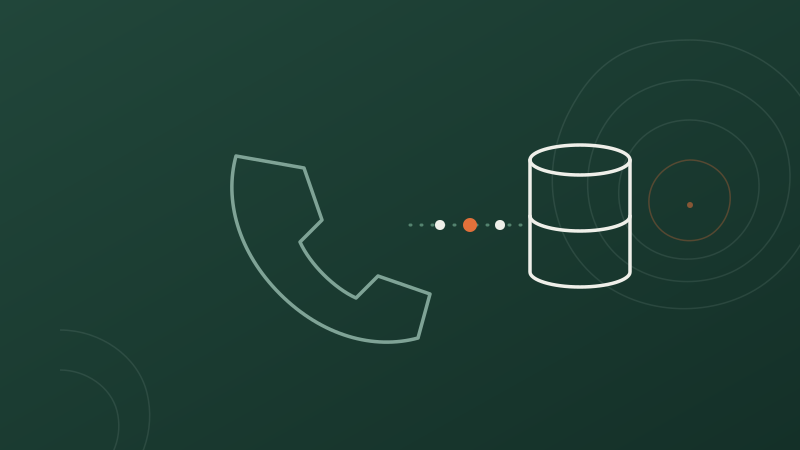
In a lot of businesses the phone is still where the money enters: bookings, quotes, service calls. Yet the phone system and the business software usually do not know about each other. A customer calls, and the person answering retypes a name into a search box, asks questions the database already answers, and writes the outcome on paper that may or may not get entered later.
Modern telephony is programmable, which changes what a phone call can be. The system can recognize the caller and open their record before the phone is answered. A missed call can create a follow-up task instead of vanishing. Calls can route by customer status rather than by whoever picks up first. After-hours callers can get a text back instead of a voicemail nobody checks.
The economics are unusually easy to measure, which is rare in software. Count the calls that ring out per week, apply the close rate and average job value, and the cost of the integration usually pays for itself in recovered missed calls alone. Everything else, the faster handling and cleaner records, is margin.
The integration is smaller than people expect. It does not require replacing the phone system or the business software, just connecting them. If your team answers the phone all day and your database learns about it later or never, that seam is worth pricing.