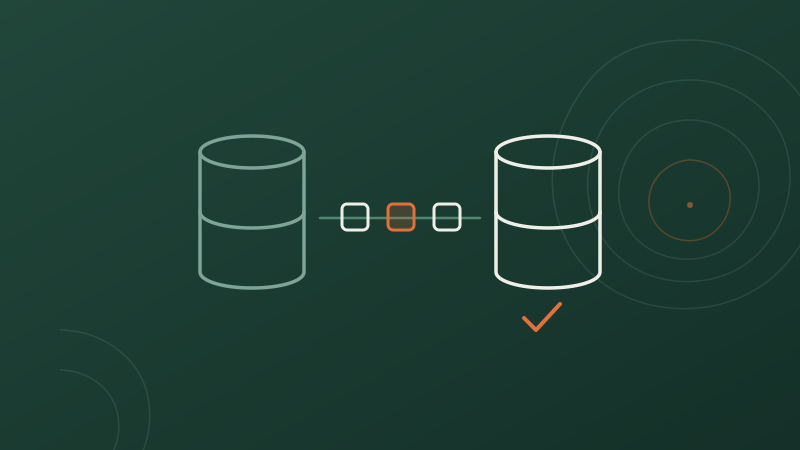
When a modernization project goes badly, the post-mortem rarely blames the new software. It blames the data. The records that had three different date formats, the customer table with fifteen years of duplicates, the fields a previous developer repurposed for something undocumented. The new system is a known quantity. The old data never is.
The mistake is treating migration as a task for the final week. Serious projects start it in the first month: profile the real data early, find the anomalies while there is still time to decide what they mean, and get a ruling from the people who actually use the records. Half of migration is archaeology, and archaeology takes longer than copying.
The discipline that makes it boring is validation at every step. Row counts that must reconcile. Spot checks against source records. A dry-run migration into the new system weeks before launch, reviewed by the staff who know what the data should look like, because they will spot in minutes what a developer would never notice.
And when launch day comes, the old system stays readable, frozen but available, until months of daily use prove nothing was lost in translation. Migrations fail loudly or succeed silently. The difference is almost never talent. It is whether anyone insisted on the boring parts.